
Professional illustration about Instagram
Facebook in 2025
Facebook in 2025 has evolved into a more integrated and AI-driven ecosystem under Meta Platforms, Inc., reflecting Mark Zuckerberg's vision of a seamless social media experience across Instagram, Messenger, WhatsApp, and Threads. One of the most noticeable changes is the dominance of AI-generated content, with Meta AI now powering personalized feeds, automated customer service, and even creative tools for content creation. For instance, businesses can now generate high-quality Reels in seconds using AI, while users enjoy hyper-targeted recommendations based on their engagement patterns. However, this shift has also intensified debates around data privacy and content moderation, as critics question how Meta balances user privacy with targeted advertising revenue.
The platform’s privacy policy has undergone significant updates to comply with stricter global regulations, particularly around user engagement tracking. Meta Quest and Oculus VR integrations have also expanded, allowing users to interact in virtual spaces via Groups or attend live events—blurring the lines between social networking and the metaverse. Meanwhile, Ray-Ban Meta smart glasses now offer real-time AR filters and hands-free streaming, further embedding Facebook’s tech into daily life. Yet, challenges like fake accounts and misinformation persist, prompting Meta to invest heavily in fact-checking partnerships and transparency reports.
For creators, the emphasis on Reels and cross-platform sharing (e.g., posting to Threads and Instagram simultaneously) has simplified content creation, but competition for visibility is fiercer than ever. Algorithm updates prioritize original, long-form videos, while platform governance tools let users customize their experience—like filtering out political ads or limiting screen time. Brands, on the other hand, benefit from advanced analytics tied to Meta AI, which predicts trends and automates ad placements. Despite these innovations, online safety remains a hot topic, with parents and advocates pushing for stricter controls over harmful content and younger users.
Looking ahead, Facebook’s identity in 2025 hinges on its ability to reconcile growth with ethical responsibility. Will Meta Platforms succeed in curbing misinformation without stifling free expression? Can it leverage AI-generated content to enhance creativity without alienating users wary of automation? The answers will shape not just Facebook’s future, but the broader landscape of social media.

Professional illustration about Meta
Meta's Latest Updates
Meta's Latest Updates
In 2025, Meta Platforms, Inc. continues to dominate the social media landscape with groundbreaking updates across Facebook, Instagram, WhatsApp, and newer platforms like Threads and Meta Quest. One of the most talked-about innovations is Meta AI, which now powers AI-generated content creation tools, helping businesses and creators automate posts while maintaining authenticity. For example, Reels now features AI-driven editing suggestions, optimizing clips for maximum user engagement. Meanwhile, Messenger has integrated advanced content moderation tools to combat misinformation and fake accounts, leveraging real-time fact-checking algorithms.
Privacy remains a top priority for Mark Zuckerberg and his team. The latest privacy policy updates emphasize user privacy with stricter controls over targeted advertising. Users can now opt out of data-sharing between Meta Platforms services, a move applauded by advocates of data privacy. Additionally, Groups on Facebook have seen enhanced platform governance, including transparency reports showing moderation actions—a step toward rebuilding trust amid past criticism.
For creators, Meta’s focus on content creation tools is clearer than ever. Instagram now offers monetization features for Reels, rewarding high-quality, original content. Meanwhile, Threads has evolved into a robust alternative for real-time discussions, with algorithms prioritizing meaningful interactions over viral clickbait. On the hardware side, Ray-Ban Meta smart glasses now support live-streaming directly to Facebook, blending physical and digital experiences seamlessly. legit no deposit casino
Online safety improvements are also notable. Meta AI now flags potentially harmful comments in Groups and Messenger, while WhatsApp employs end-to-end encryption by default for all backups. These changes reflect Meta’s commitment to transparency and user engagement without compromising security.
For marketers, adapting to these updates means leveraging AI-generated content wisely—balancing automation with human creativity—and staying updated on targeted advertising shifts. Brands that prioritize user privacy and authentic engagement will thrive as Meta Platforms refines its ecosystem in 2025.

Professional illustration about Meta
Facebook Ads Guide
Facebook Ads Guide: How to Maximize Your Campaigns in 2025
Running successful Facebook Ads in 2025 requires a deep understanding of Meta’s evolving ecosystem, which now integrates Instagram, Messenger, Reels, Threads, and WhatsApp into a unified advertising platform. With Meta AI playing a bigger role in ad optimization, advertisers must leverage AI-generated content and targeted advertising tools to stay competitive. Here’s how to craft high-converting campaigns while navigating data privacy regulations and user engagement trends.
1. Choosing the Right Ad Format for Your Goals
Meta offers a variety of ad formats, each suited for different objectives. For brand awareness, Reels and Instagram Stories deliver high visibility, especially with younger audiences. If driving conversions is your goal, carousel ads or dynamic product ads (powered by Meta AI) can showcase multiple products while retargeting interested users. Meanwhile, Messenger ads are perfect for personalized customer interactions, and Threads ads (now fully integrated into Meta’s ad system) work well for community-driven campaigns.
2. Mastering Targeting with Privacy-Centric Strategies
With stricter privacy policies in place, traditional tracking methods have shifted. In 2025, Meta Platforms, Inc. emphasizes first-party data and AI-driven audience insights. Use Meta’s Advantage+ audience tool to automatically find high-intent users while complying with user privacy standards. Additionally, Groups can be a goldmine for niche targeting—join or create communities related to your product and use engagement signals to refine your ads. Avoid broad targeting; instead, layer interests with behaviors (e.g., “fitness enthusiasts who shop for supplements monthly”).
3. Combating Misinformation and Fake Accounts
Ad credibility is critical. Meta’s fact-checking partnerships and content moderation algorithms are stricter than ever, so ensure your ads comply with platform governance rules. Avoid sensational claims, and use transparent messaging to build trust. If your ad gets flagged, review Meta’s transparency center for policy updates. Also, monitor comments for fake accounts spreading spam—blocking them improves ad performance and online safety.
4. Optimizing for Engagement and Conversions
To boost user engagement, test interactive ad features like polls in Instagram Stories or AR filters (thanks to Ray-Ban Meta integrations). For e-commerce, use Meta Quest virtual try-ons to reduce returns. Always A/B test creatives—try short-form video vs. static images, or compare different CTAs. Meta AI can automate this process by predicting top-performing variants. Lastly, retarget users who watched your Reels but didn’t convert with a tailored offer.
5. Budgeting and Bidding in 2025
Meta’s auction system now prioritizes content creation quality over sheer budget size. Start with a daily budget of at least $20-$50 for meaningful data, then scale winners. Use Advantage+ shopping campaigns for hands-off optimization, or manual bidding if you need tighter control. For seasonal peaks, schedule ads in advance and adjust bids based on user engagement patterns (e.g., higher bids during evening scroll times).
By aligning with Meta’s latest tools and policies, your Facebook Ads can achieve higher ROI while maintaining data privacy and authenticity. Stay agile—test, iterate, and let Meta AI handle the heavy lifting where possible.

Professional illustration about Quest
Privacy Settings Tips
Privacy Settings Tips for Facebook (and Other Meta Platforms) in 2025
In today’s digital landscape, privacy settings are your first line of defense against unwanted data sharing, targeted advertising, or even misinformation spread through fake accounts. As Meta Platforms, Inc. continues integrating Meta AI across Facebook, Instagram, Messenger, WhatsApp, and Threads, understanding how to lock down your personal data is more critical than ever. Here’s how to take control of your user privacy across Meta’s ecosystem in 2025:
Navigate to Settings & Privacy > Privacy Shortcuts to review who can see your posts, profile info, and contact details. In 2025, Facebook has streamlined its privacy policy with clearer toggles for:
- Audience Selector: Limit past posts to “Friends Only” or customize visibility per post.
- Profile Locking: Restrict non-friends from enlarging profile photos or viewing your full friends list.
- Activity Status: Disable “Active Now” on Messenger to browse privately.
Pro Tip: Meta’s AI-generated content tools (like auto-captions for Reels) now default to public settings—double-check these under “Media and Posts.”
Since Meta Platforms syncs data between apps (e.g., Instagram DMs appearing in Messenger), review Meta Accounts Center to disconnect unwanted linkages. Key actions:
- Disable “Data Sharing” for ads personalization.
- Opt out of Meta AI using your interactions to train algorithms (found under “AI Preferences”).
- Unlink Oculus VR or Ray-Ban Meta wearable data if you don’t want activity influencing your ad profile.
Meta’s 2025 content moderation systems rely heavily on AI, but you can bolster online safety manually:
- Enable “Two-Factor Authentication” to prevent account takeovers.
- Set Groups to “Private” and approve members manually to avoid spam.
- Report suspicious accounts—Meta’s fact-checking partners now prioritize flagged content.
Under Settings > Ads, you’ll find granular controls:
- Turn off “Ads based on data from partners” (e.g., third-party websites).
- Hide sensitive ad categories like politics or alcohol.
- Use “Why Am I Seeing This Ad?” to block specific advertisers.
Many quizzes or content creation tools request access to your profile. Regularly review:
- Apps with Facebook/Instagram login under “Apps and Websites.”
- Permissions granted to Meta Quest VR apps (e.g., microphone/camera access).
Meta’s updated platform governance includes:
- “Privacy Health Check”: A dashboard scoring your settings’ robustness.
- “Data Export”: One-click reports showing what Meta stores (e.g., Threads search history).
Final Thought: While Mark Zuckerberg emphasizes user engagement, your privacy shouldn’t be collateral damage. Revisit these settings quarterly—Meta’s defaults often shift with new AI-generated content or advertising tools.
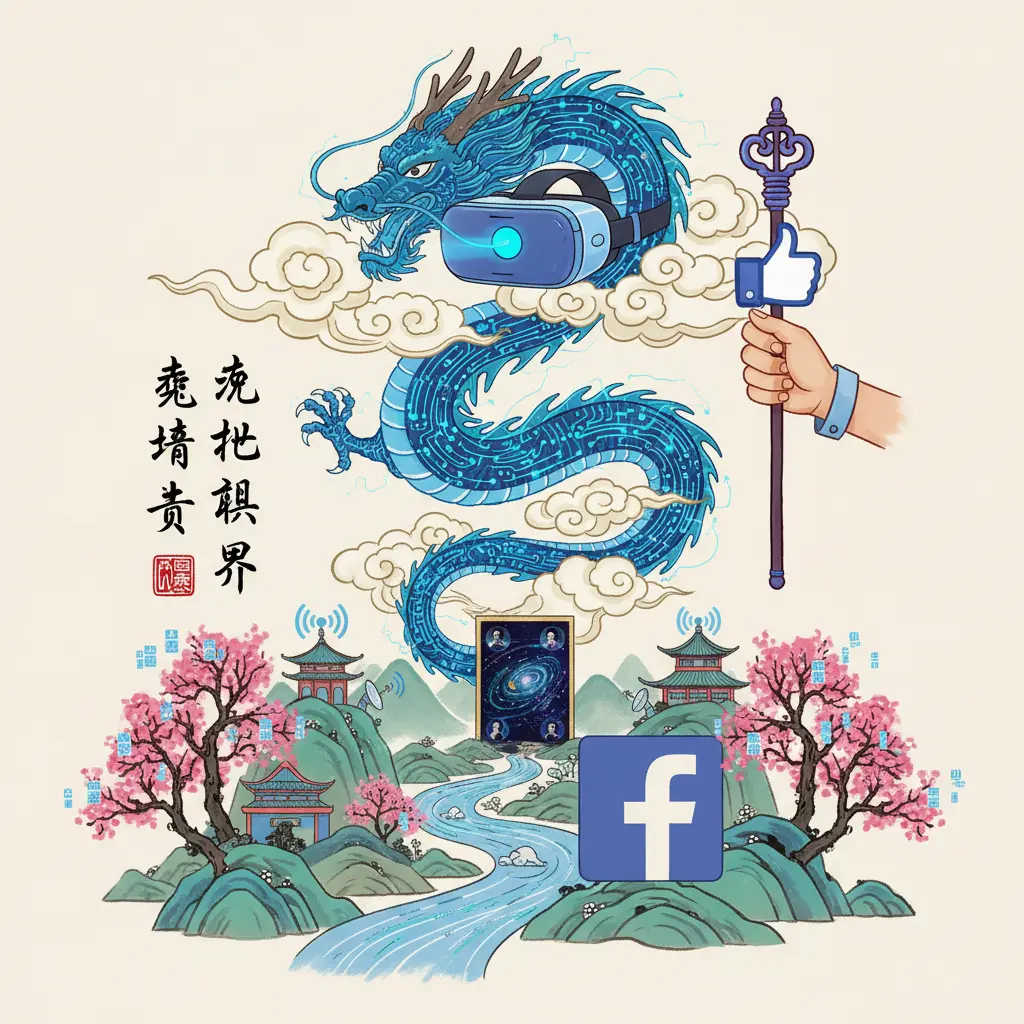
Professional illustration about Oculusinstant payout casino
Algorithm Changes
Algorithm Changes on Facebook in 2025: What Creators and Businesses Need to Know
Meta Platforms, Inc. has rolled out significant algorithm changes across Facebook, Instagram, and its family of apps in 2025, prioritizing user engagement and content moderation while leveraging Meta AI to combat misinformation. One of the biggest shifts is the platform’s increased focus on AI-generated content, which now undergoes stricter scrutiny to maintain online safety. For example, Facebook’s algorithm now demotes posts flagged by its fact-checking systems, especially those spreading false claims about health or politics. This update aligns with Meta’s broader privacy policy adjustments, ensuring user privacy remains a top priority amid growing regulatory pressures.
Another major update involves Reels and Threads, where the algorithm now favors longer watch times and meaningful interactions over passive scrolling. If you’re a creator, this means crafting high-quality, engaging content creation that sparks conversations—think polls, Q&As, or behind-the-scenes footage. The algorithm also rewards posts shared in Groups, as Meta seeks to foster community-driven interactions. For businesses, this shift emphasizes the need to build authentic connections rather than relying solely on targeted advertising.
Meta has also cracked down on fake accounts and spammy behavior, using advanced Meta AI tools to detect and remove violators faster than ever. If your page relies on engagement bait (e.g., “Like and share to win!”), expect lower reach. Instead, focus on organic growth strategies, like collaborating with niche Groups or leveraging Messenger for direct customer engagement.
Transparency remains a hot topic, with Mark Zuckerberg emphasizing platform governance updates in 2025. Users can now see more details about why certain posts appear in their feeds, thanks to enhanced algorithm transparency features. For advertisers, this means adapting to stricter data privacy rules—especially with the rise of Ray-Ban Meta and Oculus VR, where user data collection is under heavier scrutiny.
Here’s a quick checklist to stay ahead of Facebook’s 2025 algorithm:
- Prioritize user engagement through interactive content (e.g., Reels, live videos).
- Avoid misinformation by fact-checking posts before publishing.
- Leverage Groups and Messenger to build community trust.
- Monitor AI-generated content performance, as the algorithm may flag low-quality material.
- Stay updated on privacy policy changes to ensure compliance.
These updates reflect Meta’s broader goal: creating a safer, more engaging ecosystem across Facebook, Instagram, WhatsApp, and emerging platforms like Threads. Adaptability is key—whether you’re a creator, marketer, or casual user.
Engagement Strategies
Engagement Strategies for Facebook in 2025: How Meta’s AI and Features Can Boost Your Reach
In 2025, Facebook remains a powerhouse for user engagement, but the rules have evolved. With Meta Platforms, Inc. rolling out advanced tools like Meta AI and prioritizing content creation that resonates, brands and creators need to adapt. One of the most effective strategies is leveraging Reels, which continues to dominate short-form video. Unlike static posts, Reels benefit from Meta’s algorithm favoring immersive content. For example, behind-the-scenes clips, quick tutorials, or trending challenges (like "Day in the Life" snippets) consistently perform well because they align with how users consume content today.
Another critical tactic is tapping into Groups, which have become hubs for niche communities. Whether you’re a small business or a content creator, joining or creating a Group around your industry can foster deeper connections. Meta has enhanced Group features with AI-generated content suggestions, making it easier to spark discussions. Pro tip: Use polls or weekly Q&A threads to keep members active. For instance, a fitness brand could host a "Workout of the Week" thread where users share progress—this not only boosts engagement but also builds loyalty.
Don’t overlook Messenger and WhatsApp for direct engagement. In 2025, Meta has integrated these platforms more tightly with Facebook, allowing businesses to automate responses via Meta AI while maintaining a personal touch. A bakery could use Messenger to send personalized order updates or even run a "Flavor of the Month" voting campaign. The key is balancing automation with human interaction—users still crave authenticity.
Threads, Meta’s answer to text-based platforms, has also gained traction. Its integration with Instagram makes it ideal for real-time updates and threaded conversations. Brands can use Threads to share quick announcements, run AMAs (Ask Me Anything), or debunk misinformation by sharing fact-checking resources. For example, a tech company might post a thread clarifying common myths about data privacy settings on Facebook.
For targeted advertising, Meta’s ad tools now prioritize transparency and user privacy. With stricter platform governance in 2025, focus on hyper-relevant audiences. Use Meta AI insights to refine your ads—say, targeting users who engaged with your Reels or visited your Group. A travel agency could create ads showcasing Reels of destination highlights, then retarget viewers with a Group invite for travel tips.
Lastly, combat fake accounts and low engagement by fostering online safety. Meta has ramped up content moderation, so ensure your posts comply with updated privacy policies. Encourage genuine interactions by asking open-ended questions (e.g., "What’s your go-to productivity hack?") and responding promptly. Authenticity trumps vanity metrics—a smaller, engaged audience is more valuable than a large, disinterested one.
By combining these strategies—Reels, Groups, Messenger/WhatsApp automation, Threads, and AI-driven ads—you’ll not only survive but thrive in Facebook’s 2025 ecosystem. The goal? Create value-driven content that aligns with Meta’s push for meaningful user engagement while navigating the nuances of data privacy and platform governance.
Business Page Setup
Setting up a Facebook Business Page in 2025 is your gateway to tapping into Meta’s vast ecosystem, which now seamlessly integrates Instagram, Messenger, WhatsApp, and even newer platforms like Threads and Meta Quest. The process is straightforward but requires strategic decisions to maximize user engagement and targeted advertising potential. Start by choosing the right category—whether it’s "Local Business," "Brand," or "Public Figure"—as this affects how your page appears in searches and recommendations. Meta’s AI-powered tools, like Meta AI, can even suggest optimizations based on your industry, helping you stand out in a crowded social media landscape.
Pro tip: Don’t skip the "About" section. This is where you’ll embed LSI keywords like content creation, online safety, and data privacy to signal relevance to both users and Meta’s algorithms. For example, a bakery might mention "artisan bread" and "locally sourced ingredients" while linking to their Instagram Reels showcasing daily specials. In 2025, AI-generated content is reshaping profiles, so consider using Meta’s automated tools to draft compelling bios or even generate Reels captions that align with your brand voice.
Leverage Meta’s cross-platform features to amplify reach. Connect your WhatsApp for customer service, sync Instagram shopping tags, and enable Messenger for real-time queries. If you’re in e-commerce, the "Shop" tab is non-negotiable—it pulls inventory directly from your Meta Platforms catalog. For content moderation, enable fact-checking tags to combat misinformation, especially if your industry is prone to fake accounts (e.g., supplements or finance). Groups are another untapped goldmine; create a branded community to foster loyalty, but monitor discussions to maintain platform governance standards.
Privacy and transparency are critical in 2025. Update your privacy policy to reflect Meta’s latest user privacy guidelines, particularly if you collect data for ads. Use Ray-Ban Meta or Oculus VR integrations sparingly—unless you’re in tech or gaming, these might feel gimmicky. Finally, assign roles (Admin, Editor, etc.) carefully to team members, and enable two-factor authentication to safeguard against breaches. Remember: A well-optimized Business Page isn’t just a profile—it’s a hub for user engagement, sales, and trust-building in Meta’s ever-evolving universe.
Reels Best Practices
Reels Best Practices for Maximum Engagement in 2025
If you're looking to boost your presence on Facebook and Instagram, mastering Reels is non-negotiable. As Meta continues to prioritize short-form video content, understanding the latest Reels best practices can make or break your social media strategy. Here’s how to create high-performing Reels that captivate your audience while aligning with Meta Platforms, Inc.'s evolving algorithms.
The competition for attention is fierce, so your Reel needs to grab viewers immediately. Use bold text overlays, dynamic visuals, or an intriguing question to stop the scroll. For example, if you're promoting a product, start with a close-up shot of someone using it in an unexpected way. Meta AI now favors Reels with high retention rates, so prioritize content that keeps users watching longer.
Meta frequently updates its library of trending sounds and AR effects. Using these signals to the algorithm that your content is fresh and relevant. Check the "Trending" section in the Reels tab weekly, and don’t shy away from remixing popular sounds with your unique twist. Brands like Ray-Ban Meta have successfully capitalized on viral audio trends to showcase their products in creative ways.
Over 85% of Reels are watched without sound, so your message must be clear visually. Use captions (either auto-generated or custom) and text overlays to ensure comprehension. AI-generated content tools within Meta’s Creator Studio can help automate this process while maintaining readability.
While Reels can be up to 90 seconds long, the sweet spot in 2025 is between 15-30 seconds. Shorter clips often perform better because they’re easier to consume and reshare. If your topic requires more depth, consider a series of Reels instead of one lengthy video. For instance, Threads influencers often break down complex topics into bite-sized episodes to maintain engagement.
User engagement doesn’t end when you post—reply to comments promptly to boost visibility. Partnering with other creators via collabs or duets can also expand your reach. Meta rewards Reels that spark conversations, so ask questions in your captions or use polls in the comments to encourage interaction.
Vertical (9:16) videos take up more screen space and perform best. Ensure your lighting and resolution are sharp—grainy footage can hurt your credibility. Tools like Meta Quest VR devices are even being used by pros to storyboard and preview Reels before filming.
Avoid strikes by following Meta’s updated content moderation rules. Steer clear of misinformation, excessive text overlays (which can reduce accessibility), or borderline humor that might trigger fact-checking. Review the privacy policy and platform governance guidelines regularly to stay compliant.
Use Meta Business Suite to track metrics like watch time, shares, and saves. If a Reel underperforms, tweak variables like posting time (early mornings or late evenings often work best) or hashtags. Targeted advertising can also amplify top-performing Reels to niche audiences.
By implementing these strategies, you’ll not only align with Meta’s current algorithms but also build a loyal audience that keeps coming back for your content. Whether you’re a small business or an influencer, Reels remain one of the most powerful tools for content creation and user engagement in 2025.
Groups for Growth
Groups for Growth: How Facebook Communities Drive Engagement and Business Success in 2025
In 2025, Facebook Groups remain one of the most powerful tools for fostering user engagement, building niche communities, and even scaling businesses. With Meta continuously refining its algorithms to prioritize meaningful interactions, Groups have evolved beyond casual discussions into hubs for content creation, networking, and targeted advertising. Whether you're a small business owner, a content creator, or a brand looking to deepen connections, leveraging Groups strategically can unlock exponential growth.
Why Facebook Groups Matter More Than Ever
The shift toward AI-generated content and algorithmic changes across Meta Platforms has made organic reach on traditional feeds more competitive. However, Groups thrive because they operate like micro-communities where members actively seek out shared interests—from parenting advice to Oculus VR enthusiasts. For example, a fitness coach can create a private Group to share exclusive Reels tutorials, host live Q&As, and even sell digital products directly to engaged followers. Meta AI now enhances these spaces with smarter moderation tools, helping admins filter misinformation and maintain online safety without drowning in manual work.
Best Practices for Growing Your Group
1. Define a Clear Purpose: A Group focused on "Sustainable Living Tips" will attract a more dedicated audience than a generic "Eco-Friendly Chat." Be specific to stand out.
2. Leverage Cross-Platform Synergy: Promote your Group on Instagram, Threads, or WhatsApp to tap into Meta’s interconnected ecosystem. For instance, share snippets of Group discussions as Threads posts to spark curiosity.
3. Encourage Member-Generated Content: Prompt discussions with polls, challenges, or themed days (e.g., "Tech Tuesday" for a Meta Quest gaming Group). This reduces reliance on content moderation while boosting activity.
4. Use Targeted Advertising Wisely: Meta Platforms, Inc. offers tools to promote Groups to users based on interests. A local bakery could target "dessert lovers" within a 10-mile radius to fill their "Sweet Treats Enthusiasts" Group.
Navigating Challenges: Privacy and Trust
With growing scrutiny around data privacy, transparency is key. Clearly outline your Group’s rules and privacy policy—especially if collecting emails for external campaigns. Mark Zuckerberg has emphasized platform governance updates in 2025, including stricter fact-checking protocols. Admins should proactively address fake accounts by enabling member-approval settings and reporting suspicious activity. For example, a Ray-Ban Meta fan Group might require profile verification to prevent spammy sales pitches.
Real-World Success Stories
- A freelance graphic designer grew her client base by 200% after launching a "Digital Creators Hub" Group, where she shares AI-generated content templates and hosts portfolio critiques.
- A nonprofit used a public Group to debunk misinformation about climate change, partnering with Meta AI fact-checkers to label inaccurate posts. Their user engagement skyrocketed as the community became a trusted resource.
For brands, the takeaway is clear: Facebook Groups aren’t just forums—they’re growth engines. By combining social media savvy with Meta’s evolving tools, you can cultivate a loyal audience that translates into tangible results. The key is to stay adaptable; as content moderation and user privacy standards tighten, Groups that prioritize authenticity will thrive.
Messenger Features
Messenger Features in 2025: How Meta's Flagship Chat App Keeps Evolving safe online casino
Facebook's Messenger remains a cornerstone of Meta Platforms, Inc.'s ecosystem, blending seamless communication with cutting-edge AI-generated content and cross-platform integration. In 2025, the app has expanded far beyond basic texting, offering features like Meta AI-powered chatbots for automated customer support, real-time fact-checking to combat misinformation, and deeper ties with Instagram, WhatsApp, and Threads. One standout update is the ability to share Reels directly in Messenger group chats, amplifying user engagement while keeping conversations dynamic. Privacy-conscious users will appreciate enhanced data privacy controls, including opt-in encryption for voice calls and stricter content moderation against fake accounts.
For creators, Messenger now supports content creation tools like collaborative Stories and monetization features—think tipping during live Q&A sessions in Groups. Businesses leverage targeted advertising through Messenger ads, with Meta AI optimizing replies to customer inquiries. Meanwhile, Mark Zuckerberg has pushed for tighter platform governance, introducing transparency reports on user privacy and algorithmic decisions. The app also integrates with Meta Quest and Ray-Ban Meta smart glasses, letting users send voice messages or AR filters hands-free.
Key innovations include:
- Cross-app messaging: Sync chats across Instagram and WhatsApp without switching apps.
- AI moderation: Auto-flagging hate speech or violent imagery using Meta AI.
- Safety tools: Parental controls for teen accounts and online safety alerts for suspicious links.
- VR chatrooms: Host virtual meetups via Oculus VR avatars.
Despite its advancements, critics highlight challenges like misinformation spread in encrypted chats and targeted advertising concerns. Yet, Messenger’s focus on user engagement and transparency solidifies its role as a top social media hub. Whether for casual chats or business growth, its 2025 features cater to privacy, creativity, and connectivity—all under Meta's evolving vision.
AI Tools on Facebook
AI Tools on Facebook have become a game-changer for content creators, marketers, and everyday users in 2025. Meta Platforms, Inc. has heavily invested in Meta AI, integrating advanced artificial intelligence across its ecosystem—Facebook, Instagram, Messenger, WhatsApp, and even newer platforms like Threads and Reels. These tools are designed to enhance user engagement, streamline content creation, and improve platform governance, but they also raise important questions about data privacy and online safety.
One of the most impactful AI features is AI-generated content. Facebook now offers automated tools that help users create high-quality posts, ads, and even Reels with minimal effort. For example, businesses can input a basic product description, and Meta AI will generate engaging ad copy, suggest visuals, and even optimize posting times for maximum reach. However, this convenience comes with risks—misinformation and fake accounts can exploit these tools to spread misleading content. Meta has countered this with stricter content moderation policies, including AI-powered fact-checking systems that flag suspicious posts before they go viral.
Another major development is targeted advertising powered by AI. Meta’s algorithms now analyze user behavior across Facebook, Instagram, and WhatsApp to deliver hyper-personalized ads. While this boosts ad performance, it also sparks debates around user privacy. In response, Meta has updated its privacy policy to provide more transparency, allowing users to see why they’re being shown specific ads and adjust their preferences. For instance, if you interact with fitness Groups or watch Reels about workouts, Meta AI might suggest gym gear ads—but you can now opt out of such targeting with just a few clicks.
AI also plays a crucial role in content moderation. With billions of posts shared daily, human moderators alone can’t keep up. Meta AI scans for hate speech, graphic content, and policy violations in real time, even in private Messenger chats. The system isn’t perfect—false positives occasionally occur—but it significantly reduces harmful content. Additionally, AI helps detect fake accounts by analyzing patterns like bot-like activity or suspicious friend requests.
For creators, AI tools like auto-captioning for Reels and voice synthesis for Threads have simplified content production. Imagine recording a video in a noisy environment—Meta AI can clean up the audio and generate accurate subtitles automatically. Similarly, brands using WhatsApp for customer service can deploy AI chatbots to handle routine queries, freeing up human agents for complex issues.
Even Meta’s hardware, like Meta Quest and Ray-Ban Meta smart glasses, leverages AI. The Quest’s VR environment uses AI to adapt to user movements, while the smart glasses can identify objects and translate text in real time—features that blur the line between social media and augmented reality.
Despite these advancements, challenges remain. Mark Zuckerberg has emphasized balancing innovation with ethical AI use, especially regarding data privacy and misinformation. As Meta continues refining its AI tools, users and businesses must stay informed to harness their potential responsibly. Whether you’re a casual scroller or a professional marketer, understanding these tools is key to navigating Facebook’s evolving landscape in 2025.
Monetization Options
In 2025, Meta Platforms, Inc. offers a robust suite of monetization options across its family of apps—Facebook, Instagram, WhatsApp, Messenger, and newer platforms like Threads and Meta Quest. Whether you're a content creator, small business, or influencer, leveraging these tools can turn your user engagement into revenue. Here’s how to navigate the latest opportunities:
1. Ad Revenue Sharing & In-Stream Ads
Meta’s AI-generated content tools now allow creators to earn through Reels and long-form videos. The updated algorithm prioritizes high-quality, original content, rewarding creators with a share of ad revenue. For example, if your Facebook Group or Instagram Reels consistently drives targeted advertising clicks, you could qualify for the Meta Bonus Program. This initiative pays creators based on performance metrics like watch time and audience retention.
2. Shops & E-Commerce Integration
With Meta’s push toward seamless shopping, businesses can set up storefronts directly on Facebook and Instagram. The platform’s AI-powered recommendations personalize product displays, boosting sales. Pro tip: Pair your shop with WhatsApp Business for real-time customer support, or use Messenger chatbots to automate order tracking.
3. Subscriptions & Exclusive Content
Creators can monetize their loyal followers via Facebook Subscriptions or Instagram’s Exclusive Stories. Offer behind-the-scenes access, early releases, or members-only Groups for a monthly fee. In 2025, Meta rolled out tighter content moderation to curb fake accounts, ensuring paywalls deliver real value to subscribers.
4. Brand Collaborations & Sponsorships
Brands are increasingly partnering with creators through Meta’s Creator Marketplace, a hub for sponsored posts and AI-driven influencer matching. Transparency is key—always disclose partnerships to comply with platform governance rules. Example: A skincare brand might collaborate with a creator to promote products in Reels, using Meta AI analytics to track campaign success.
5. Virtual Goods & Digital Collectibles
The rise of Oculus VR and Ray-Ban Meta has opened doors to virtual economies. Sell digital artwork, NFTs (though less prominent in 2025), or immersive experiences in Meta Quest’s metaverse. Meanwhile, Threads is testing tipping features for micro-content, like viral threads or AI-assisted fact-checking resources.
6. Monetizing Messaging Apps
WhatsApp and Messenger now support paid newsletters and premium customer service tiers. Businesses can charge for consultations or exclusive updates, leveraging data privacy controls to build trust. Note: Avoid misinformation—Meta’s 2025 privacy policy strictly monitors paid content for accuracy.
Challenges & Best Practices
While monetizing, prioritize online safety and user privacy. Over-reliance on targeted advertising can backfire if audiences feel tracked. Diversify income streams—combine ads, subscriptions, and e-commerce to mitigate algorithm shifts. Stay updated on Meta’s policies; for instance, fact-checking violations can disqualify you from revenue programs.
Final thought: Meta’s ecosystem is more monetization-friendly than ever, but success hinges on content creation quality and ethical platform governance. Test different strategies, analyze user engagement metrics, and adapt to 2025’s evolving social media landscape.
VR Integration Trends
VR Integration Trends
In 2025, Meta Platforms, Inc. continues to push the boundaries of VR integration across its ecosystem, blending immersive experiences with everyday social interactions. The Meta Quest lineup has evolved beyond gaming, now serving as a gateway for user engagement in Facebook Groups, Instagram Reels, and even Messenger calls. Imagine attending a virtual meetup in a Facebook Group where members interact as lifelike avatars, or watching AI-generated content on Reels in a 360-degree environment—these are no longer futuristic concepts but realities shaping social media today.
One standout trend is the seamless fusion of Oculus VR with Meta AI, enabling hyper-personalized experiences. For instance, Meta AI now curates VR content based on your targeted advertising preferences, suggesting virtual events or content creation tools tailored to your interests. This level of customization boosts user engagement while raising questions about data privacy. To address this, Meta has rolled out stricter privacy policies, including opt-out features for VR data collection and enhanced transparency reports detailing how VR interactions are moderated.
Another game-changer is the Ray-Ban Meta smart glasses, which now support lightweight AR overlays for Instagram and WhatsApp. Users can scroll through Threads or check Messenger notifications hands-free, blurring the lines between physical and digital worlds. However, this innovation also highlights challenges like content moderation in VR spaces—fake accounts and misinformation can spread rapidly in immersive environments. Meta combats this with fact-checking partnerships and AI-driven platform governance, flagging suspicious activity in real-time.
For creators, VR opens doors to groundbreaking content creation. Mark Zuckerberg recently demoed tools letting influencers host virtual Q&As or product launches in Meta Quest environments, deepening fan connections. Brands, too, leverage VR for interactive ads—think virtual storefronts where users "try on" products via Oculus VR. Yet, online safety remains a priority; Meta now requires age verification for certain VR features and educates users on user privacy settings.
Looking ahead, expect VR integration to redefine social media norms—whether it’s attending concerts in Facebook Spaces or collaborating on 3D Reels. The key for users? Stay informed about data privacy updates and experiment with emerging tools to stay ahead in Meta’s ever-evolving virtual landscape.
Meta Verified Benefits
Meta Verified Benefits: Why It’s Worth the Investment in 2025
In 2025, Meta Verified remains a game-changer for creators, businesses, and power users across Facebook, Instagram, and even newer platforms like Threads. For a monthly fee, this subscription service offers a suite of exclusive perks designed to boost visibility, credibility, and user engagement. One of the biggest advantages is the verified badge—a blue checkmark that instantly signals authenticity to your audience. In an era where fake accounts and misinformation run rampant, this badge helps you stand out as a trusted source.
Beyond the badge, Meta Verified subscribers gain priority access to Meta AI-powered tools for content creation and moderation. For example, verified users can tap into advanced analytics to refine their targeted advertising strategies or leverage AI-generated content suggestions to keep their feeds fresh. The service also includes proactive content moderation, meaning Meta’s systems prioritize reviewing and removing harmful or spammy comments on your posts—a huge win for maintaining online safety and platform governance.
Another underrated benefit is enhanced user privacy protections. Verified accounts receive stricter safeguards against impersonation scams, along with expedited support for reporting violations. If you’ve ever dealt with a cloned profile or hateful comments, you’ll appreciate how Meta Verified adds a layer of transparency and security. Plus, subscribers get early access to experimental features—think custom Reels templates or beta-testing integrations with WhatsApp and Messenger.
For businesses, the perks extend to Groups and Meta Quest VR environments. Verified brands can create exclusive, badge-gated communities, fostering deeper connections with loyal customers. Meanwhile, influencers using Ray-Ban Meta smart glasses or Oculus VR can showcase their Verified status in immersive formats, further solidifying their authority.
Critics argue that paywalling verification contradicts Meta Platforms, Inc.’s original mission of open connectivity. However, in 2025, the program’s value is undeniable—especially when Mark Zuckerberg’s team continues rolling out updates tailored to creators. Whether you’re a solo artist or a Fortune 500 company, Meta Verified offers tangible tools to cut through the noise on social media. Just remember: the badge alone won’t guarantee success. Pair it with high-quality content and smart data privacy practices to maximize its impact.
Future of Facebook
The future of Facebook under Meta Platforms, Inc. is poised to be a fascinating blend of AI-driven innovation, deeper platform integration, and heightened focus on user privacy and online safety. As of 2025, Mark Zuckerberg and his team are doubling down on Meta AI to revolutionize content creation, user engagement, and content moderation. One of the most significant shifts is the rise of AI-generated content, which is transforming how brands and creators produce Reels, Stories, and posts. For instance, Meta AI now offers tools that automatically suggest trending hashtags, optimize post timing, and even draft captions—making it easier for small businesses to compete with larger players.
Another critical area is platform governance, where Meta is leveraging AI to combat misinformation and fake accounts. The company has rolled out stricter fact-checking protocols, using machine learning to flag questionable content before it goes viral. At the same time, Groups—a cornerstone of Facebook’s community-building—are getting smarter. AI now helps admins detect toxic behavior, recommend relevant discussions, and even suggest new members based on shared interests. This not only boosts user engagement but also fosters healthier online spaces.
Meta’s ecosystem—spanning Instagram, WhatsApp, Messenger, and Threads—is becoming more interconnected. For example, cross-posting between Facebook and Instagram Reels is now seamless, and Threads (Meta’s Twitter rival) is integrating deeper with WhatsApp for real-time updates. Meanwhile, targeted advertising is evolving to prioritize user privacy. With Apple’s ATT (App Tracking Transparency) framework still impacting ad revenue, Meta Platforms is investing in first-party data solutions, like encouraging users to share preferences directly through surveys or interactive ads.
The hardware side of Meta is just as ambitious. Meta Quest and Oculus VR are pushing the boundaries of social interaction, with virtual meetups in Groups becoming more lifelike. The Ray-Ban Meta smart glasses, now in their third generation, are experimenting with AR overlays for real-world social sharing. These advancements hint at a future where Facebook isn’t just an app but a multidimensional social media hub blending digital and physical experiences.
However, challenges remain. Data privacy regulations are tightening globally, and Meta must balance innovation with transparency. The company’s recent privacy policy updates emphasize giving users more control over their data, but skeptics argue more needs to be done to prevent misuse. Additionally, the rise of AI-generated content raises ethical questions—like how to label synthetic media without stifling creativity.
For businesses and creators, the key takeaway is adaptability. Leveraging Meta AI tools, staying updated on platform governance changes, and prioritizing authentic user engagement will be crucial. For example, brands that experiment with Reels and Threads early are seeing higher reach, while those ignoring content moderation risks face stricter penalties. The future of Facebook is undeniably high-tech, but its success hinges on maintaining trust—something Meta Platforms can’t afford to overlook.