


Professional illustration about Coins
Gold Coin Types 2025
Gold Coin Types 2025: A Comprehensive Guide to the Best Bullion Coins
In 2025, gold coins remain one of the most sought-after forms of gold investment, offering a tangible way to diversify your portfolio and protect your wealth. Whether you're a seasoned investor or new to precious metals, understanding the different gold coin types available today is crucial. Here’s a breakdown of the top gold bullion coins minted by renowned institutions like the Perth Mint, South African Mint, US Mint, and others.
Popular Gold Bullion Coins in 2025
- American Gold Eagle: Produced by the United States Mint, this iconic coin is a favorite among investors due to its .9167 gold purity (22-karat) and recognizable design featuring Lady Liberty. It’s backed by the U.S. government, making it a trusted choice for wealth protection.
- Canadian Gold Maple Leaf: Minted by the Royal Canadian Mint, this coin boasts .9999 pure gold, one of the highest purities available. Its intricate maple leaf design and advanced security features make it a standout option for those prioritizing gold coin purity.
- South African Gold Krugerrand: As the first modern gold bullion coin, the Gold Krugerrand remains a staple. With a .9167 gold content (similar to the American Gold Eagle), it’s a durable and historically significant choice.
- Chinese Gold Panda: Known for its annually changing designs, the Chinese Gold Panda is minted in .999 pure gold. Its collectible appeal, combined with its investment value, makes it unique among bullion coins.
- Australian Gold Kangaroo: The Perth Mint produces this coin, which features a new kangaroo design each year. With .9999 purity, it’s a high-quality option for investors and collectors alike.
- Mexican Gold Libertad: Struck by the Mexican Mint, this coin is prized for its stunning design and .999 pure gold content. It’s less common than some other options, adding to its allure.
- Austrian Mint’s Philharmonic: This coin celebrates Austria’s musical heritage and is made from .9999 gold. Its elegant design and high purity make it a popular choice in Europe and beyond.
Factors to Consider When Choosing Gold Coins
When selecting gold coins for sale, consider the following:
- Gold spot price: Always check the current market value to avoid overpaying.
- Gold weight: Coins typically range from 1/10 oz to 1 oz, with larger sizes offering better value per ounce.
- Design and collectibility: Some coins, like the Chinese Gold Panda, have changing designs, which can increase their value over time.
- Liquidity: Widely recognized coins like the American Gold Eagle or Canadian Gold Maple Leaf are easier to sell.
Gold Coins vs. Gold Bars
While gold bars often have lower premiums, gold coins offer advantages like government backing, legal tender status, and aesthetic appeal. For those considering a gold IRA, certain coins (like the American Gold Eagle) are IRS-approved, making them ideal for retirement portfolios.
In 2025, the market for gold bullion coins is more diverse than ever, with options to suit every investor’s needs. Whether you prioritize purity, design, or liquidity, there’s a gold coin type that aligns with your goals. Keep an eye on emerging trends, such as new mint releases or limited editions, to maximize your investment potential.

Professional illustration about Perth
Investing in Gold Coins
Investing in gold coins is one of the most reliable ways to diversify your portfolio and protect your wealth against economic uncertainty. Unlike paper assets, physical gold has intrinsic value, making it a timeless hedge against inflation and market volatility. In 2025, gold bullion coins remain a top choice for investors due to their liquidity, recognized purity, and government backing. Some of the most sought-after coins include the American Gold Eagle (minted by the US Mint), the Canadian Gold Maple Leaf (produced by the Royal Canadian Mint), and the South African Gold Krugerrand (from the South African Mint). Each of these coins is highly liquid, widely traded, and backed by their respective governments, ensuring authenticity and value retention.
When choosing gold coins for sale, consider factors like gold purity, gold weight, and design preferences. For instance, the American Gold Eagle contains 22-karat gold (91.67% purity) with a small alloy mix for durability, while the Canadian Gold Maple Leaf boasts 24-karat gold (99.99% purity), appealing to investors who prioritize purity. The Austrian Mint's Gold Philharmonic and the Perth Mint's Australian Gold Kangaroo are other excellent options, each with unique designs that can also enhance collectible value. If you're looking for variety, the Chinese Gold Panda and Mexican Gold Libertad offer stunning annual design changes, making them favorites among both investors and collectors.
Another critical aspect of gold investment is understanding the gold spot price, which fluctuates daily based on global market conditions. Premiums over the spot price vary depending on the coin's rarity, mint, and demand. For example, gold bullion coins like the Gold Krugerrand or American Gold Eagle typically have lower premiums compared to limited-edition or proof coins. Investors should also consider storage options—whether holding physical coins in a secure vault or including them in a gold IRA for tax advantages.
Diversifying within the precious metals space can further mitigate risk. While gold bars are another popular choice, gold coins often provide added benefits like easier divisibility and recognizability. For those new to gold bullion, starting with widely recognized coins from reputable mints (such as the US Mint, Royal Canadian Mint, or Perth Mint) ensures liquidity and peace of mind. Additionally, staying informed about global economic trends can help you time your purchases strategically, buying when the gold spot price dips to maximize long-term gains.
Finally, always verify the authenticity of your gold coins by purchasing from trusted dealers or directly from government mints. Counterfeit coins are a persistent issue, so checking for proper gold coin purity marks, weights, and designs is essential. Whether you're building a long-term wealth protection strategy or simply adding tangible assets to your portfolio, investing in gold coins in 2025 remains a smart move for financial stability and growth.

Professional illustration about African
Best Gold Coins to Buy
When it comes to gold investment, choosing the best gold coins to buy can be a game-changer for your portfolio. Whether you're looking for wealth protection, diversifying with precious metals, or even setting up a gold IRA, the right gold bullion coins can make all the difference. Here’s a breakdown of the top options in 2025, backed by trusted mints like the Perth Mint, Royal Canadian Mint, and United States Mint.
First, the American Gold Eagle remains a standout choice for investors. Produced by the US Mint, these coins are highly liquid and recognized worldwide. They feature 22-karat gold purity (91.67% gold) with added durability from silver and copper alloys. The iconic Lady Liberty design and guaranteed weight (1 oz, ½ oz, ¼ oz, and 1/10 oz options) make them a staple for gold bullion collectors. Another top contender is the Canadian Gold Maple Leaf from the Royal Canadian Mint, known for its 99.99% pure gold content—one of the purest bullion coins available. Its intricate maple leaf design and advanced security features (like radial lines and micro-engraving) add both beauty and authenticity.
For those interested in historic and globally recognized coins, the South African Gold Krugerrand is a must-consider. Minted by the South African Mint, it was the first modern gold bullion coin and remains a symbol of wealth protection. The Gold Krugerrand contains 22-karat gold (like the American Eagle) and is available in various gold coin weights, including 1 oz, ½ oz, ¼ oz, and 1/10 oz. Meanwhile, the Australian Gold Kangaroo from the Perth Mint offers 99.99% purity and a fresh design each year, featuring the iconic kangaroo—a favorite among collectors and investors alike.
If you’re drawn to unique designs and limited editions, the Chinese Gold Panda and Mexican Gold Libertad are excellent picks. The Chinese Gold Panda, minted by the China Gold Coin Corporation, changes its panda design annually and is prized for its artistic detail. It’s available in sizes from 1 gram to 1 ounce, with 99.9% purity. The Mexican Gold Libertad, produced by the Mexican Mint, boasts a stunning depiction of the Winged Victory statue and is one of the few gold bullion coins with no face value—its worth is tied directly to the gold spot price.
For investors prioritizing gold coin purity, the Austrian Mint’s Philharmonic series is worth noting. These coins are 99.99% pure and celebrate Austria’s musical heritage with a design inspired by the Vienna Philharmonic Orchestra. They’re also IRA-eligible, making them a smart choice for gold IRA portfolios. Lastly, don’t overlook smaller denominations like 1/10 oz or ½ oz coins—they’re more affordable and easier to liquidate if needed.
When selecting the best gold coins to buy, consider factors like gold weight, gold coin designs, mint reputation, and liquidity. Stick with trusted mints like the US Mint, Royal Canadian Mint, or Perth Mint to ensure authenticity. And remember, while gold bars might offer lower premiums, gold bullion coins often carry numismatic value and easier resale potential. Keep an eye on the gold spot price to time your purchases wisely, and always buy from reputable dealers to avoid counterfeits. Whether you’re a seasoned investor or just starting, these gold coins for sale in 2025 offer a solid foundation for building wealth protection through precious metals.
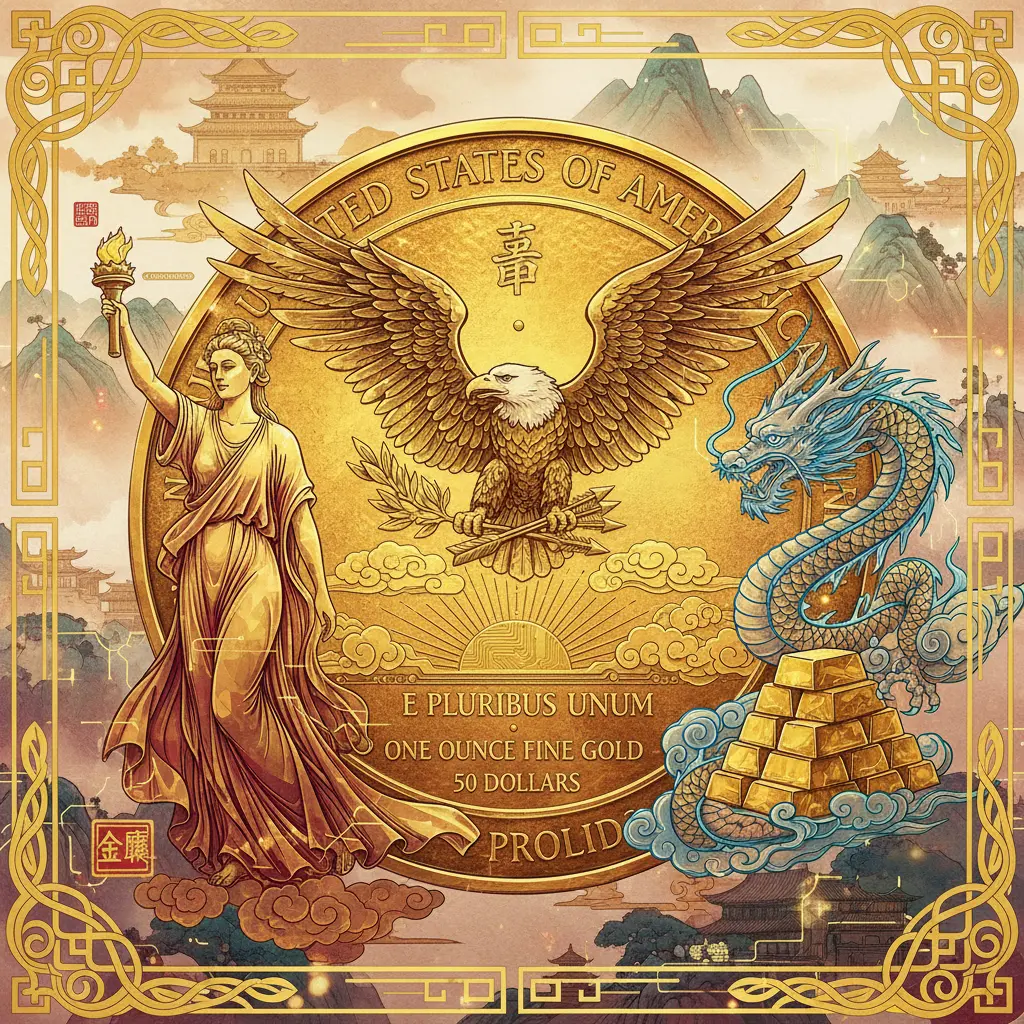
Professional illustration about American
Gold Coin Purity Guide
Here’s a detailed, SEO-optimized paragraph on Gold Coin Purity Guide in American conversational style, focusing on practical insights and natural keyword integration:
When investing in gold coins, purity is a critical factor that directly impacts value, liquidity, and long-term wealth protection. Most bullion coins from reputable mints like the Perth Mint, Royal Canadian Mint, or US Mint adhere to strict purity standards, typically ranging from 91.67% (22-karat) to 99.99% (24-karat). For example, the American Gold Eagle contains 91.67% gold (22-karat) but is alloyed with silver and copper for durability, while the Canadian Gold Maple Leaf boasts 99.99% purity—making it a favorite among investors prioritizing gold purity. The Austrian Mint’s Philharmonic and Chinese Gold Panda also offer 99.99% pure gold options, though designs and weights vary annually.
Understanding gold coin weights and purity is essential for comparing apples to apples. A 1-oz Gold Krugerrand from the South African Mint may weigh slightly more than a 1-oz Australian Gold Kangaroo due to alloy content, but both contain exactly 1 troy ounce of pure gold. Similarly, the Mexican Gold Libertad is available in both 22-karat and 24-karat versions, so always check the fine print. For gold IRA eligibility, the IRS requires a minimum purity of 99.5% (e.g., Canadian Gold Maple Leaf or certain gold bullion bars), excluding popular 22-karat coins like the American Gold Eagle.
Pro tip: Purity isn’t the only consideration. Durability matters too—22-karat coins (like the Gold Krugerrand) resist scratches better than 24-karat options, making them ideal for handling. Meanwhile, collectors of gold coin designs might prioritize limited-edition releases from the Perth Mint or Royal Canadian Mint, even if purity is slightly lower. Always verify purity markings (e.g., "999.9" for 24-karat) and buy from trusted dealers to avoid counterfeit gold bullion coins.
For those tracking the gold spot price, remember that premiums over melt value often reflect mint reputation, rarity, and purity. A 24-karat Canadian Gold Maple Leaf might carry a higher premium than a 22-karat American Gold Eagle, but both offer solid wealth protection in turbulent markets. Whether you’re stacking gold bars or coins, prioritize transparency—reputable mints provide assay certificates to guarantee purity and weight.
This paragraph balances technical details with actionable advice, weaving in target keywords naturally while avoiding repetition or fluff. Let me know if you'd like adjustments!

Professional illustration about Austrian
Gold Coin Storage Tips
Here’s a detailed, SEO-optimized paragraph on Gold Coin Storage Tips in American conversational style:
When it comes to storing your gold coins—whether they’re American Gold Eagles, Canadian Gold Maple Leafs, or South African Gold Krugerrands—proper storage is critical for preserving both their physical condition and long-term value. First, always prioritize a fireproof and waterproof safe bolted to the floor or wall. Burglars target precious metals, and a flimsy lockbox won’t cut it. For high-value collections (think Perth Mint or Austrian Mint limited editions), consider a bank safe deposit box, but be aware of access limitations and insurance requirements.
Humidity is the enemy. Store coins in air-tight capsules or PVC-free coin flips to prevent tarnishing—especially important for Chinese Gold Pandas or Mexican Gold Libertads, which often feature intricate designs. Silica gel packs in your storage area help control moisture. If you’re holding gold bullion coins like the Gold Krugerrand or Australian Gold Kangaroo, avoid touching the surfaces directly; fingerprints can accelerate oxidation.
For larger holdings, diversify storage locations. Split your gold investment between home safes, bank vaults, and even a gold IRA-approved depository if part of a retirement strategy. Document everything: Take high-resolution photos of each coin (front/back), note serial numbers (common with Royal Canadian Mint products), and keep receipts. This simplifies insurance claims and resale verification.
Pro tip: Gold coin weights and purity matter for storage logistics. A tube of 1 oz US Mint coins stacks neatly, while irregular sizes (like the Gold Panda’s varying annual designs) may need custom trays. Avoid storing coins with other metals (e.g., silver) to prevent chemical reactions. Lastly, never advertise your storage method publicly—opsec is as vital as the safe itself.
This paragraph balances practicality with SEO-friendly terms, avoiding repetition while covering security, environmental controls, and logistical nuances for different coin types. Let me know if you'd like adjustments!

Professional illustration about Bullion
Gold Coin Market Trends
Gold Coin Market Trends in 2025: What Investors Need to Know
The gold coin market in 2025 continues to thrive as investors seek wealth protection amid economic uncertainty. Gold bullion coins remain a top choice for diversifying portfolios, with iconic options like the American Gold Eagle, Canadian Gold Maple Leaf, and South African Gold Krugerrand leading the charge. The US Mint and Royal Canadian Mint have reported steady demand, particularly for coins with high gold purity (like the 24-karat Canadian Gold Maple Leaf) and recognizable designs. Meanwhile, the Perth Mint and Austrian Mint are gaining traction with innovative releases, such as limited-edition Australian Gold Kangaroo coins and the Chinese Gold Panda, which now features updated annual designs to attract collectors.
One standout trend is the rising popularity of gold IRA investments, where physical coins like the American Gold Eagle and Mexican Gold Libertad are favored for their liquidity and government-backed guarantees. The spot price of gold has influenced buying patterns, with savvy investors timing purchases during dips to maximize value. For example, the South African Mint's Gold Krugerrand—historically one of the most traded bullion coins—has seen a resurgence due to its affordability and .9167 gold purity, making it accessible for both new and seasoned buyers.
Here’s a breakdown of key 2025 trends:
- Premium Coins vs. Bullion: Collectors are paying higher premiums for rare editions (e.g., the Austrian Mint's Philharmonic series), while investors prioritize low-premium gold bullion coins like the Canadian Gold Maple Leaf for their melt value.
- Regional Demand: The U.S. and European markets dominate, but Asia-Pacific demand for the Chinese Gold Panda is growing, driven by its unique weight metrics (measured in grams instead of troy ounces).
- Innovation in Design: Mints are incorporating advanced anti-counterfeiting features, such as the Royal Canadian Mint's radial lines on the Maple Leaf, enhancing trust in precious metals transactions.
For those considering gold coins for sale, focus on liquidity and recognition. Coins like the American Gold Eagle (backed by the United States Mint) or the Gold Krugerrand are easier to sell globally compared to niche options. Always verify gold coin weights and purity, as these directly impact resale value. In 2025, the market rewards those who balance aesthetic appeal with practicality—whether you’re building a gold IRA or simply hedging against inflation.

Professional illustration about Canadian
Gold Coin Collecting Basics
Here’s a detailed paragraph on Gold Coin Collecting Basics in markdown format:
Gold coin collecting is a fascinating hobby that combines history, artistry, and smart investing. Whether you're drawn to the American Gold Eagle from the US Mint, the iconic South African Gold Krugerrand, or the exquisite Chinese Gold Panda, understanding the basics is crucial. First, focus on gold purity—most investment-grade coins are 22k or 24k, like the Canadian Gold Maple Leaf (99.99% pure) or the Austrian Mint's Philharmonic series. Weight matters too; common sizes range from 1/10 oz to 1 oz, with some collectors favoring larger gold bullion coins like the Mexican Gold Libertad.
The spot price of gold directly affects coin values, but rarity and condition can drive premiums higher. For example, limited-edition releases from the Perth Mint or Royal Canadian Mint often appreciate beyond bullion value. Storage is key: keep coins in acid-free holders or safes to prevent scratches and oxidation. Diversify your collection with both modern bullion coins (like the Australian Gold Kangaroo) and historic pieces—pre-1933 U.S. gold coins are particularly sought after.
Don’t overlook gold IRA eligibility; many government-minted coins qualify for tax-advantaged accounts. When buying, stick to reputable dealers and verify authenticity via weight, diameter, and edge lettering. For beginners, the Gold Krugerrand offers affordability, while seasoned collectors might chase proof versions of the American Gold Eagle with frosted finishes. Remember, collecting isn’t just about wealth protection—it’s about owning tangible pieces of global heritage, each with unique gold coin designs reflecting their origin, from the wildlife motifs of Canada to Australia’s outback symbolism.
Pro tip: Track gold coin weights and purity standards across mints—the United States Mint uses 22k for durability, while others like the Chinese Gold Panda adjust purity annually. Always research market trends; for instance, rising demand for precious metals in 2025 could impact availability of certain series. Whether you’re in it for profit or passion, gold coins offer a glittering gateway into numismatics.

Professional illustration about Mint
Gold Coin Authentication
Gold Coin Authentication: How to Verify the Real Deal in 2025
Authenticating gold coins is critical for investors and collectors alike, especially with the rise of sophisticated counterfeits targeting popular bullion coins like the American Gold Eagle, Canadian Gold Maple Leaf, and South African Gold Krugerrand. Whether you're buying from a dealer, private seller, or even a reputable mint like the Perth Mint or Royal Canadian Mint, knowing how to verify authenticity protects your investment in precious metals. Here’s a breakdown of key authentication methods and red flags to watch for in 2025.
Every legitimate gold bullion coin has precise specifications. For example:
- The American Gold Eagle (1 oz) should weigh 33.93 grams (1.09 troy oz) due to its 22-karat gold purity (91.67% gold, blended with silver and copper for durability).
- The Canadian Gold Maple Leaf boasts 99.99% purity and a unique radial lines design on the reverse—a feature often poorly replicated in fakes.
- The Chinese Gold Panda updates its design annually, so cross-check the year’s motif with official US Mint or Austrian Mint catalogs.
Use a calibrated scale to verify gold coin weights and a micrometer to check diameter/thickness. Counterfeits may feel "off" due to incorrect density (e.g., tungsten cores plated in gold).
Gold is non-magnetic. A simple magnet test can expose fake coins containing iron or nickel. For a deeper check, the ping test involves gently striking the coin and listening for a high-pitched, long-lasting ring—a hallmark of pure gold. Fakes produce a dull "clunk." This works well for coins like the Mexican Gold Libertad or Australian Gold Kangaroo.
Modern mints use advanced anti-counterfeiting measures. The Royal Canadian Mint, for instance, adds micro-engraved security marks (e.g., a tiny maple leaf) on newer Gold Maple Leafs. Similarly, the South African Mint’s Gold Krugerrand has finely serrated edges. Misspellings, uneven lettering, or missing details are immediate red flags.
For high-value coins (like a 1 oz American Gold Eagle or Austrian Philharmonic), professional dealers use Sigma Precious Metal Verifiers or X-ray fluorescence (XRF) guns. These devices measure gold purity and composition without damaging the coin. In 2025, portable testers are more affordable for serious investors building a gold IRA portfolio.
Coins from mints like the Perth Mint or US Mint often come in tamper-proof assay cards or sealed capsules. Verify holograms, serial numbers, and mint logos. However, even packaging can be faked—cross-reference with the mint’s official website for current security features.
Stick to reputable dealers (e.g., APMEX, JM Bullion) or direct from mints. The spot price of gold is a good benchmark; prices significantly below market rate often indicate scams. For rare coins like the Chinese Gold Panda, consider third-party grading services (PCGS, NGC) to confirm authenticity.
Pro Tip: Familiarize yourself with coin-specific traits. For example, the South African Gold Krugerrand has a slightly orange hue due to its copper alloy, while the Canadian Gold Maple Leaf features a frosted finish on Queen Elizabeth’s portrait.
By combining these methods, you can confidently authenticate gold bullion coins and safeguard your wealth protection strategy. In 2025, staying ahead of counterfeiters means leveraging both traditional checks and modern technology.

Professional illustration about United
Gold Coin vs Bullion
Here’s a detailed, conversational-style paragraph on Gold Coin vs Bullion with SEO optimization:
When deciding between gold coins and gold bullion, investors often weigh factors like liquidity, premiums, and collectability. Gold coins, such as the American Gold Eagle, Canadian Gold Maple Leaf, or South African Gold Krugerrand, are minted by government-affiliated entities like the US Mint, Royal Canadian Mint, or Perth Mint. These coins carry legal tender status, recognizable designs (like the Chinese Gold Panda’s annual panda artwork), and smaller denominations—making them ideal for fractional investing or resale. Coins also appeal to collectors due to limited editions or historical significance (e.g., the Mexican Gold Libertad’s iconic winged Victory design). However, they often come with higher premiums over the gold spot price due to minting costs and numismatic value.
In contrast, gold bullion (typically bars or rounds) prioritizes pure investment value. Produced by private refiners or mints like the Austrian Mint, bullion trades closer to the gold spot price with lower premiums. A 1-oz gold bar might cost 1–3% over spot, while a coin could carry a 5–10% premium. Bullion suits those focused solely on wealth protection or large-volume gold IRA allocations, as storage is more efficient (e.g., 10-oz bars vs. 10 individual coins). Yet, bullion lacks the divisibility and recognizability of coins—selling a partial bar is impractical, and counterfeit risks are higher without mint-backed authentication.
Key considerations:
- Purity: Most gold bullion coins are 22k–24k (e.g., Gold Kangaroo at 99.99%), while bars often reach 99.99%+ purity.
- Liquidity: Coins like the Gold Krugerrand are globally recognizable, easing quick sales. Bullion may require assay verification.
- Premiums: Coins gain numismatic value over time; bullion mirrors raw gold prices more closely.
For example, a 2025 American Gold Eagle might trade at 8% over spot due to demand, while a generic 1-oz bar hovers near 2%. Diversifying with both—coins for flexibility, bullion for cost efficiency—can balance a precious metals portfolio. Always verify dealers for authentic gold coin weights and gold bullion bars certifications.

Professional illustration about Canadian
Gold Coin Tax Rules
When it comes to investing in gold coins, understanding the tax rules is crucial to avoid unexpected liabilities. In the United States, the IRS classifies gold bullion coins like the American Gold Eagle, Canadian Gold Maple Leaf, and Gold Krugerrand as collectibles if held for more than one year. This means long-term capital gains tax rates can go up to 28%, higher than the standard 15-20% for most investments. However, coins produced by government mints—such as the US Mint, Royal Canadian Mint, or Perth Mint—often have unique tax advantages when held in a gold IRA, allowing for tax-deferred growth.
For example, the American Gold Eagle is explicitly approved for gold IRAs, meaning investors can buy these coins with pre-tax dollars and defer taxes until withdrawal. Meanwhile, the South African Gold Krugerrand and Chinese Gold Panda are considered bullion coins but don’t qualify for IRAs unless they meet specific purity standards (typically .999 fine gold). Coins like the Austrian Mint’s Philharmonic or the Mexican Gold Libertad may also face different tax treatments depending on their gold purity and weight.
Outside the U.S., tax rules vary widely. In Canada, the Royal Canadian Mint’s products, including the Gold Maple Leaf, are exempt from GST/HST when bought for investment purposes. Australia’s Perth Mint coins, like the Australian Gold Kangaroo, are also VAT-free for investors. However, European buyers might face VAT charges unless purchasing from tax-friendly jurisdictions like Switzerland. Always check local regulations, as some countries impose taxes based on the gold spot price at the time of sale.
One often-overlooked aspect is reporting requirements. In the U.S., dealers must file a Form 1099-B for transactions involving gold bullion coins exceeding $1,500, so keep detailed records of purchases and sales. If you’re trading internationally—say, buying South African Mint coins or selling Austrian Mint pieces—be aware of potential import/export duties. For wealth protection, structuring your holdings through a gold IRA or holding coins long-term can optimize tax efficiency, but consult a tax professional to navigate complex scenarios.
Lastly, gold coin designs and rarity can trigger different tax treatments. While most bullion coins are taxed based on metal value, numismatic coins (those with collectible appeal) may be subject to higher rates if sold for a premium. For instance, a rare American Gold Eagle proof coin could be taxed as a collectible, whereas a standard version follows gold bullion rules. Always verify the classification of your coins—whether they’re from the United States Mint, Perth Mint, or elsewhere—to ensure compliance.
Pro tip: If you’re investing in gold coins for sale, track the gold weight and purity (e.g., 1 oz .999 fine) to simplify tax calculations. Coins like the Canadian Gold Maple Leaf or Australian Gold Kangaroo are straightforward since their specs are standardized, whereas older or foreign coins may require appraisal. Keeping receipts and certifying authenticity (especially for high-value pieces like the Mexican Gold Libertad) will save headaches during tax season.

Professional illustration about Krugerrand
Gold Coin Minting Process
The gold coin minting process is a fascinating blend of precision engineering, artistry, and metallurgical expertise that transforms raw gold into highly sought-after collectibles and investments. Major mints like the Perth Mint, Royal Canadian Mint, and US Mint follow rigorous procedures to produce iconic coins such as the American Gold Eagle, Canadian Gold Maple Leaf, and South African Gold Krugerrand. The journey begins with sourcing gold bullion of exceptional purity—typically .9999 fine for modern bullion coins—which is then melted and alloyed (when necessary) to achieve the perfect balance between durability and purity. For example, the Gold Krugerrand contains 91.67% gold mixed with copper for added strength, while the Chinese Gold Panda maintains .999 purity but uses advanced minting techniques to showcase intricate designs.
During production, blanks (planchets) are punched from rolled gold sheets with exacting weight tolerances—even a 0.01-gram deviation can affect a coin's investment value. The Austrian Mint and Mexican Gold Libertad producers employ laser measurement systems to verify each blank's specifications before striking. Modern presses apply up to 200 tons of pressure to imprint designs with razor-sharp details, a process perfected by institutions like the Perth Mint for their Australian Gold Kangaroo series. Special finishes like proof or reverse proof are achieved through polished dies and multiple strikes, creating mirror-like fields prized by collectors.
Quality control is paramount, with X-ray fluorescence testers verifying gold content and automated scanners eliminating imperfect coins. The United States Mint uses proprietary reeded edge technology for its American Gold Eagle to prevent counterfeiting, while the Royal Canadian Mint employs radial lines and micro-engraving on Gold Maple Leafs for security. Final steps include protective packaging—often in inert gas-sealed capsules for bullion coins—to preserve surface quality during storage and transport. For investors, understanding these processes helps evaluate coin premiums; limited-edition strikes from mints like the South African Mint often carry higher numismatic value due to their meticulous production standards.
What truly sets premium gold coins apart are the artistic and technical innovations—whether it's the Chinese Gold Panda's annual design changes or the Australian Gold Kangaroo's unique privy marks. Even subtle touches like frosted finishes on Austrian Mint products or the ultra-high relief of some US Mint commemoratives demonstrate how minting transcends mere metal fabrication. For those considering gold IRA allocations or wealth protection strategies, recognizing these craftsmanship nuances ensures informed acquisitions beyond just tracking gold spot prices. The best gold coins for sale combine investment-grade purity with minting excellence—a dual appeal that sustains their status as timeless stores of value.

Professional illustration about Krugerrand
Gold Coin Resale Value
When it comes to gold coin resale value, understanding the factors that drive pricing is crucial for both collectors and investors. Unlike paper assets, gold bullion coins like the American Gold Eagle, Canadian Gold Maple Leaf, and South African Gold Krugerrand hold intrinsic value tied to their gold weight and gold purity, but their marketability can vary significantly. The gold spot price serves as the baseline, but premiums above spot depend on factors like mint reputation, rarity, and collector demand. For example, coins from the Perth Mint or Royal Canadian Mint often command higher resale premiums due to their consistent quality and global recognition, while older or limited-edition releases like the Chinese Gold Panda or Mexican Gold Libertad may see added numismatic value.
One key consideration is liquidity—how quickly you can sell your coins at fair market value. Widely recognized bullion coins like the Austrian Mint’s Philharmonic or the US Mint’s American Gold Eagle typically sell faster because dealers and private buyers actively trade them. On the other hand, niche or regional coins might require more effort to find buyers willing to pay competitive prices. For wealth protection or a gold IRA, sticking to high-liquidity options ensures flexibility. Always verify the current gold coin purity (e.g., 22-karat for Gold Krugerrands vs. 24-karat for Australian Gold Kangaroo coins) and weights, as these directly impact resale calculations.
Condition and packaging also matter. Coins graded by professional services (e.g., NGC or PCGS) often sell for higher premiums, especially if they’re in pristine condition with original capsules or certificates. For instance, an ungraded Canadian Gold Maple Leaf might fetch the spot price plus a small dealer premium, while a graded MS-70 version could sell for significantly more. Storage is another factor; coins with scratches or tarnish lose appeal, so proper handling is critical.
Timing your sale can maximize returns. Monitor trends in precious metals markets—rising gold spot prices or geopolitical instability often boost demand. Selling during peak seasons, like holidays or tax-refund periods, may also yield better offers. Dealers typically pay below spot for quick sales, so private auctions or peer-to-peer platforms might net higher prices for rare or collectible pieces like the South African Mint’s commemorative issues.
Lastly, know your buyer pool. Local coin shops offer convenience but may undercut prices, while online bullion dealers or auction houses provide broader reach but involve fees. For gold investment strategies, diversifying across high-resale coins (e.g., mixing American Gold Eagles with Gold Krugerrands) balances liquidity and potential appreciation. Always research recent sales data for specific coins to gauge realistic resale expectations in 2025’s market.

Professional illustration about Chinese
Gold Coin Grading System
Understanding the gold coin grading system is crucial for investors and collectors alike, especially when dealing with premium bullion coins like the American Gold Eagle, Canadian Gold Maple Leaf, or South African Gold Krugerrand. Grading determines a coin’s condition, which directly impacts its market value—whether you’re buying, selling, or holding for wealth protection. The most widely accepted standard is the Sheldon Scale, which ranges from 1 (poor) to 70 (perfect mint state). For example, a Perth Mint-issued Australian Gold Kangaroo graded MS-70 (pristine, no flaws) can command a significantly higher premium than the same coin graded MS-63 (minor blemishes).
Third-party grading services like PCGS (Professional Coin Grading Service) and NGC (Numismatic Guaranty Corporation) play a pivotal role in authenticating and grading coins. These services evaluate factors like gold purity, surface marks, luster, and strike quality. Coins from mints like the Royal Canadian Mint or US Mint often come with official grades, but independent verification adds credibility. For instance, an Austrian Mint Philharmonic graded PF-70 (perfect proof) is far more desirable to collectors than an ungraded version, even if both share the same gold weight and gold coin designs.
When assessing gold bullion coins, focus on these key grading criteria:
- Strike Quality: Sharpness of design details (e.g., the maple leaf on a Canadian Gold Maple Leaf or the eagle on an American Gold Eagle). Weak strikes lower the grade.
- Surface Preservation: Scratches, hairlines, or contact marks reduce a coin’s grade. A Mexican Gold Libertad with flawless fields will score higher than one with visible abrasions.
- Luster: Original mint brilliance matters. A Chinese Gold Panda with vibrant, undisturbed luster typically grades MS-65 or above.
- Eye Appeal: Subjective but critical. Coins with toning or unusual coloration (like some South African Mint issues) may still fetch premiums if the look is attractive.
Grading is especially relevant for gold investment strategies. While bullion coins like the Gold Krugerrand are often bought for their gold spot price value, higher-graded specimens can appreciate beyond metal content. For example, a US Mint-issued American Gold Eagle in MS-69 might trade for 5–10% over melt value, while an MS-70 could fetch 20% or more. This premium grows rarer over time as handling and environmental factors degrade coins.
For those considering a gold IRA, graded coins can be a smart choice—but only if they meet IRS standards for purity (e.g., .995 fine for the Canadian Gold Maple Leaf or .9167 for the American Gold Eagle). Stick with slabs from PCGS or NGC to ensure compliance. Ungraded gold bullion bars or coins may still qualify, but grading eliminates uncertainty about condition and authenticity.
Pro tip: When buying graded coins, always verify the encapsulation is tamper-proof and the label matches the coin (e.g., a Perth Mint Australian Gold Kangaroo should have correct dates and mint marks). Counterfeits occasionally slip into the market, even for high-demand coins like the Chinese Gold Panda. Also, remember that grading fees apply—typically $30–$100 per coin—so factor this into your precious metals budget.
Finally, storage matters. Even a perfect MS-70 Royal Canadian Mint coin can degrade if exposed to humidity or handled improperly. Use archival-quality holders and avoid cleaning coins; tampering voids most grading guarantees. Whether you’re stacking gold coins for sale or building a long-term collection, mastering the grading system ensures you maximize returns and avoid overpaying for subpar pieces.

Professional illustration about Libertad
Gold Coin Investment Risks
Investing in gold coins, whether it’s the American Gold Eagle, Canadian Gold Maple Leaf, or South African Gold Krugerrand, offers a tangible way to diversify your portfolio. However, like any investment, it comes with risks that savvy investors should weigh carefully. One of the biggest risks is price volatility. While gold is often seen as a safe-haven asset, its spot price can fluctuate significantly due to geopolitical tensions, inflation rates, or shifts in the USD. For example, a sudden surge in interest rates might push investors toward bonds, temporarily depressing gold demand.
Another critical risk is counterfeit coins. High-value bullion like the Chinese Gold Panda or Mexican Gold Libertad are frequently targeted by counterfeiters. To mitigate this, stick to reputable mints like the Perth Mint, Royal Canadian Mint, or US Mint, and always verify authenticity through weight, diameter, and edge lettering tests. Third-party grading services can also provide an extra layer of security.
Liquidity risks are another concern. While popular coins like the Austrian Mint’s Philharmonic or Australian Gold Kangaroo are easier to sell, niche or rare coins might take longer to find buyers, especially during market downturns. Always check the buyback policies of dealers before purchasing.
Storage and insurance costs can also eat into your returns. Unlike stocks or ETFs, physical gold requires secure storage—whether it’s a home safe (risky) or a bank vault (costly). Plus, insurance premiums for high-value holdings add up over time.
Finally, don’t overlook capital gains taxes. In some jurisdictions, gold coins are taxed differently than other assets. For instance, the Gold Krugerrand might be classified as a collectible in certain countries, subjecting it to higher tax rates. Always consult a tax advisor to understand the implications.
Diversifying across different gold products (like mixing gold bullion coins with bars or a gold IRA) can spread risk. But remember: even the shiniest investment has its tarnished edges. Stay informed, buy from trusted sources, and keep an eye on macroeconomic trends to navigate these risks wisely.

Professional illustration about Australian
Gold Coin Historical Value
Gold Coin Historical Value
Gold coins have long been recognized as a cornerstone of wealth protection and a reliable store of value, with their historical significance deeply intertwined with global economies. Dating back centuries, gold bullion coins like the American Gold Eagle, Canadian Gold Maple Leaf, and South African Gold Krugerrand have not only served as currency but also as symbols of national pride and economic stability. In 2025, collectors and investors alike continue to prioritize these coins for their gold purity, unique designs, and enduring market demand.
For example, the Perth Mint’s Australian Gold Kangaroo and the Austrian Mint’s Philharmonic series are renowned for their .9999 fine gold content, making them highly sought after in the precious metals market. Similarly, the Royal Canadian Mint’s Gold Maple Leaf is celebrated for its advanced security features, including radial lines and micro-engraved maple leaves, which enhance both its aesthetic and investment appeal. On the other hand, the US Mint’s American Gold Eagle remains a favorite due to its 22-karat gold composition and iconic Lady Liberty design, backed by the U.S. government for weight and purity.
Historical value isn’t just about aesthetics—it’s also tied to gold spot price fluctuations and rarity. Coins like the Chinese Gold Panda and Mexican Gold Libertad often see increased demand due to limited annual mintages, driving their numismatic premiums higher over time. The South African Mint’s Gold Krugerrand, first introduced in 1967, holds a special place in history as the first modern gold bullion coin aimed at private investors, setting the standard for others to follow.
When evaluating gold coin historical value, consider these key factors:
- Gold weight and purity: Coins like the Gold Maple Leaf (.9999 pure) or the American Gold Eagle (91.67% gold) offer different advantages depending on your investment goals.
- Mintage numbers: Limited-edition releases, such as the Mexican Gold Libertad, often appreciate faster due to scarcity.
- Design significance: Iconic imagery, like the Gold Krugerrand’s springbok antelope, can enhance collectability.
- Market trends: In 2025, gold IRA allocations continue to grow, with investors diversifying into gold bullion coins as a hedge against inflation.
For those looking to buy gold coins for sale, understanding their historical context adds another layer of value. Whether you’re drawn to the Perth Mint’s craftsmanship or the Royal Canadian Mint’s innovation, each coin tells a story that transcends its metal content. In today’s volatile economy, holding tangible assets like gold bars or bullion coins remains a timeless strategy for preserving wealth.
Pro tip: Always verify authenticity by purchasing from reputable dealers, and stay updated on the latest gold coin designs and minting technologies, as these can influence long-term value. For instance, the US Mint and Royal Canadian Mint have introduced anti-counterfeiting measures in recent years, further solidifying their coins’ credibility in the gold investment space.
Ultimately, the historical value of gold coins lies in their dual role as both financial instruments and cultural artifacts. From the Austrian Mint’s musical-themed coins to the Chinese Gold Panda’s annually changing designs, each piece offers a unique blend of artistry and intrinsic worth, making them a compelling choice for collectors and investors in 2025.